


Book Review: Slime: An Elemental Imaginary
Towards the end of the year I began writing a book that was to be a compendium of the last 5 years on everything related to slime and its growth. In my research I came across some new books. One of them I received for my birthday just after the New Year. The book is called Slime: An Elemental Imaginary by Simon C. Estok. It is published by Cambridge University Press as part of their Environmental Humanities series in the year 2024.

The abstract on the inside cover reads as follows:
“Slime has always stirred the imagination and evoked strong responses. It is as central to life and growth as to death, degeneration, and rot. Slime heals and cures; it also infects and kills. Slime titillates and terrifies. It fascinates children and is the horror in stories and the disgusting in fridges. Slime is part of good sex. Slime is also worryingly on the rise in the warming oceans. Engaging with slime is becoming more urgent because of its proliferation both in the seas and in our imaginations. Inextricable from racism, homophobia, sexism, and ecophobia, slime is the least theorized element and is indeed traditionally not even included among the elements. Things need to change. Addressing growing climate issues and honestly confronting matters associated with them depend to a very large degree on theorizing and thus understanding how people have thought and continue to think about slime.”
The book clocks in at just 50 pages, but it crams a lot of information and perspective into that tiny space. I managed to read it in one day, and I very much enjoyed doing so. I felt so much excitement because here was a book that was connecting Slime to issues like the environment, racism, homophobia, sexism, and ecophobia. The author had put into words many things that were not yet at the tip of my tongue. It was a relief to know someone else had this shared perspective of slime, and that there was a call to action. Estok suggests that slime can no longer be ignored and must be welcomed into the conversation at the dinner table and in society at large.
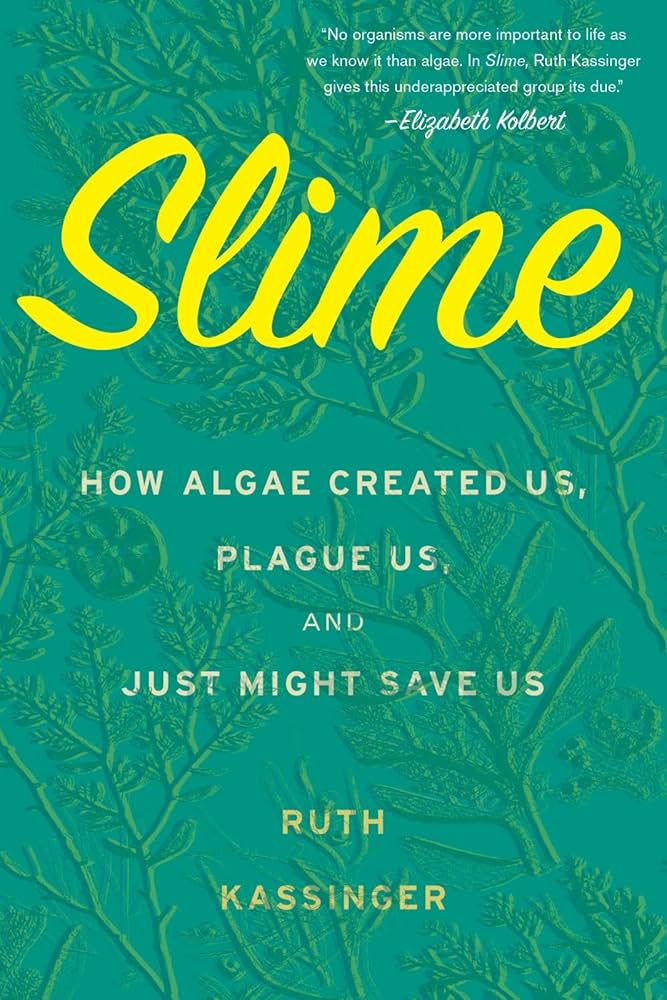
The author references Ruth Kassinger’s book Slime: How Algae Created Us, Plague Us, and Just Might Save Us and highlights the urgency we face in dealing with environmental concerns. The book waxes and wanes over the poetic nature of slime as a symbol for life and death. They point out that slime is everywhere in nature, and that this observation can bring us to greater understanding of our world.
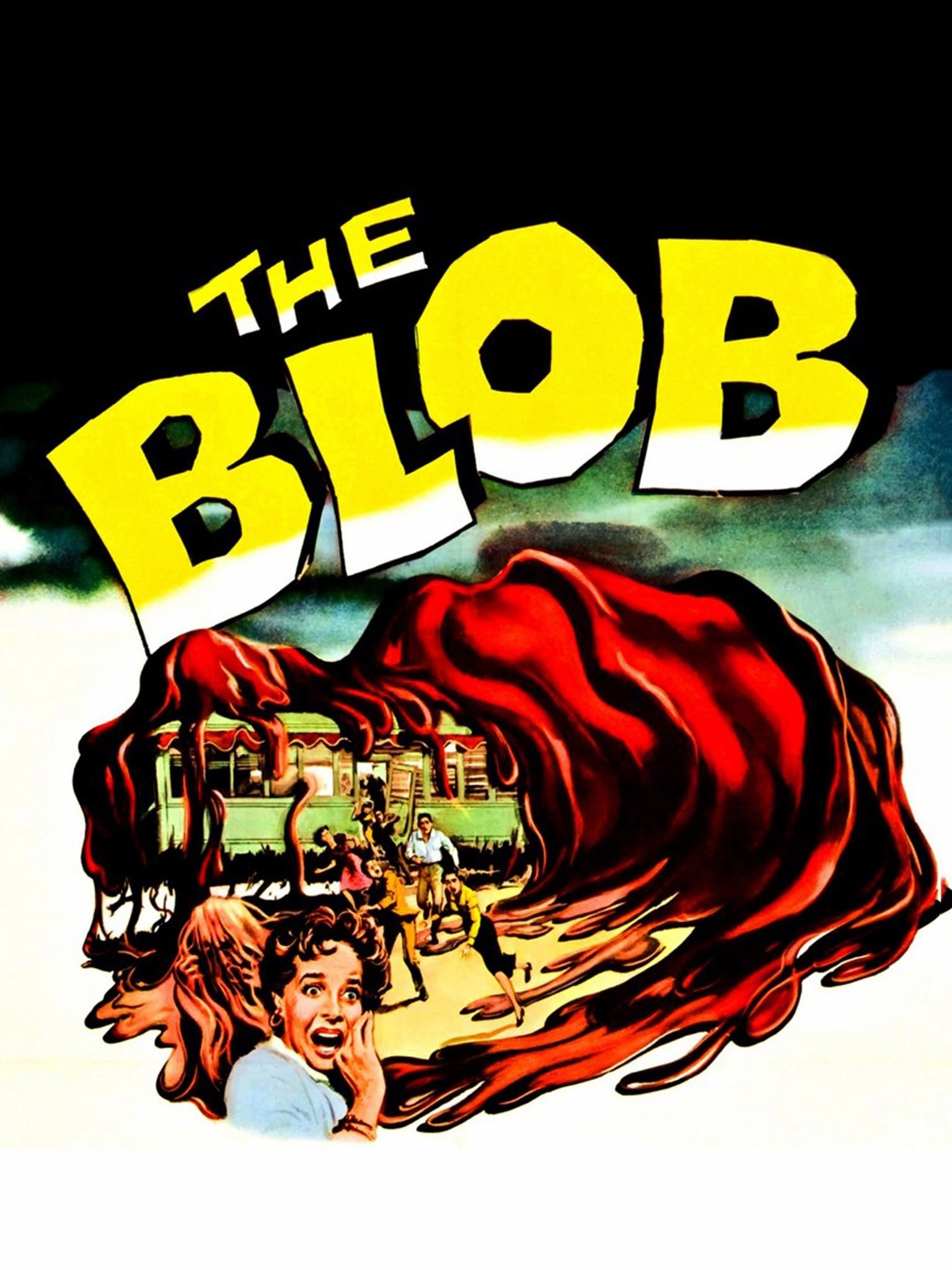
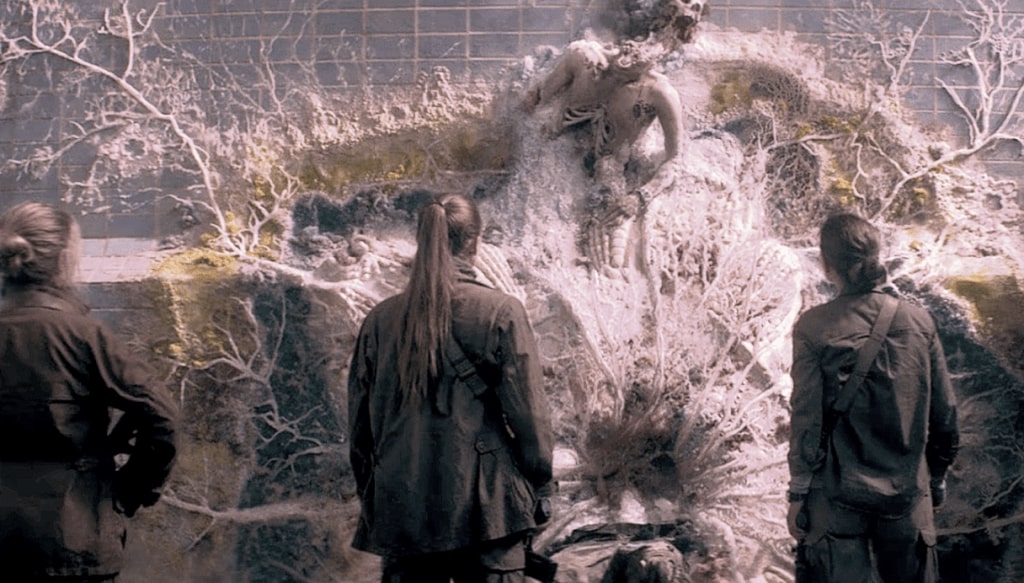
Using many examples from pop culture and specifically the horror genre they examine the fascination we humans have with slime. We find it horrific yet at the same time are dependent upon it in so many unforeseen ways. It has been an element too often overlooked, and for this we might pay a price if we continue to ignore it. Slime can represent life and death, but is also the bridge that gives life and prevents death, an example is providing a cushion for embryonic lifeforms. A barrier, a protective sheath, but one that can also strip protection through poisonous attack. There are two sides to slime. Collectively our consciousness knows that if slime could get out of control it would be a disaster, and the book lists a number of movies where this idea is part of the plot.
They cover the topic of sexism and give examples of how women have been seen as being less than men for their “slimy” excretions. This fear of slime itself is called Myxophobia, and they continue to point it out in sexism, classism, and racism. Then there’s the other side of the perspective with quotes like,
“Ultimately, is sliminess not the sacred, the taboo substance of life itself?”
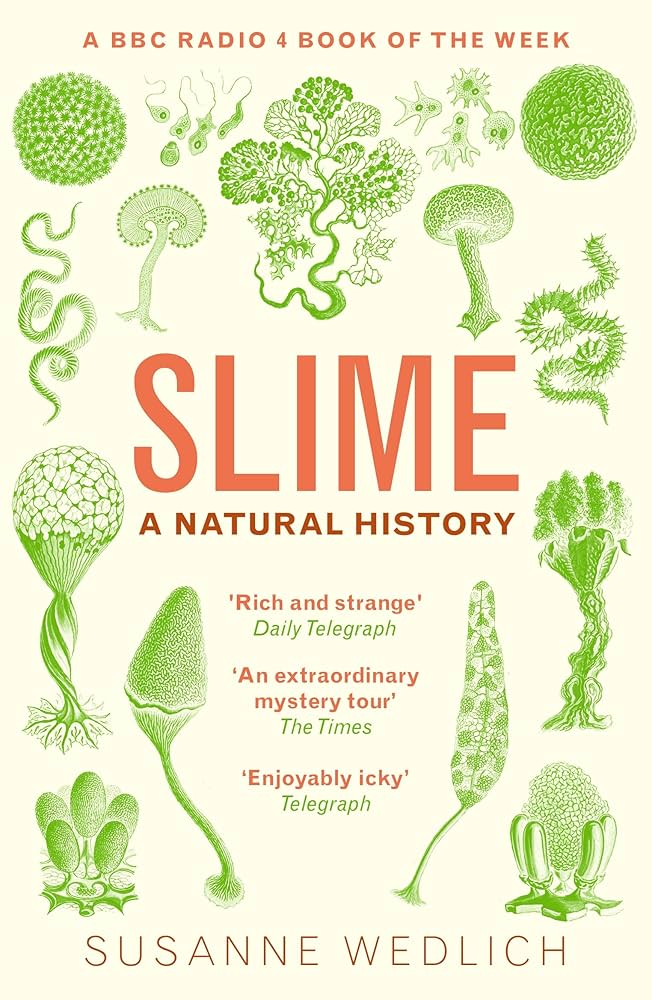
Susan Welich’s book Slime: A Natural History is also referenced several times, and from this we learn that we are living on a planet with a 4 billion year history of slime, that slime is lifegiving, but if out of control slime could be an environmental disaster. Estok’s philosophical lens takes a close and in depth look at slime and our dynamic relationship to it in this world. Through the book the author encourages us to embrace slime rather than separate ourselves from it.
We humans are stewards of slime, and it is up to us to tend to it as needed for the health of the planet. This book is great for diving into some difficult subjects and seeing slime as a way to tie in the lessons. There’s a lot to learn in this book, and that means there is a lot of information to inspire us to share these ideas with one another. Now is the time to talk of slime.